Pairing food and wine is a concept that has been around for centuries, and it remains an important aspect of dining culture today. The basic idea behind pairing food and wine is that certain wines complement particular foods, while others clash with them. When paired correctly, the flavors of both the food and the wine can be enhanced, creating a more enjoyable dining experience. However, the art of pairing food and wine can be complex and nuanced, and there are many factors to consider when making the perfect match.
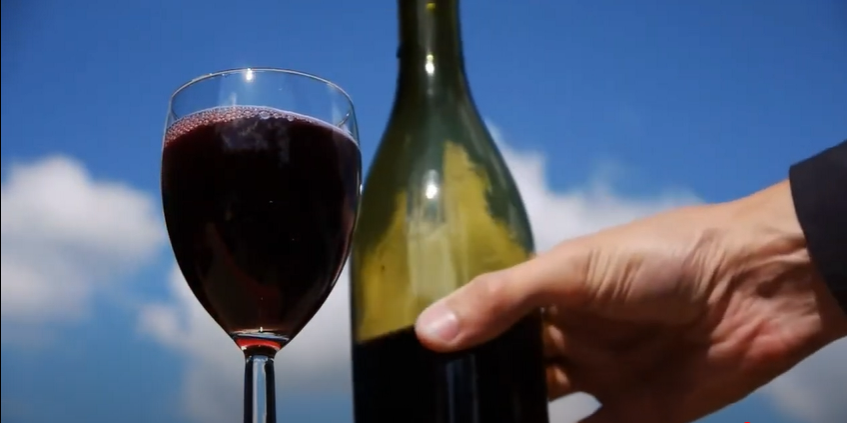
One of the primary considerations when pairing food and wine is the flavor profile of both. Generally, wines can be categorized as either light or heavy-bodied, and their flavor can range from sweet to dry. Light-bodied wines like Pinot Noir and Chardonnay tend to pair well with lighter fare like seafood and white meat, while heavier wines like Cabernet Sauvignon and Merlot pair better with rich meats and hearty dishes.
Another key factor in pairing food and wine is the acidity of both. Wines with higher acidity levels tend to pair well with foods that are also acidic, like tomatoes or citrus fruits. This is why a bright, acidic Sauvignon Blanc can be the perfect match for a tangy ceviche or a lemony grilled chicken. On the other hand, a lower-acidity wine like a Malbec or Syrah may pair better with a rich, creamy pasta dish or a beef roast.
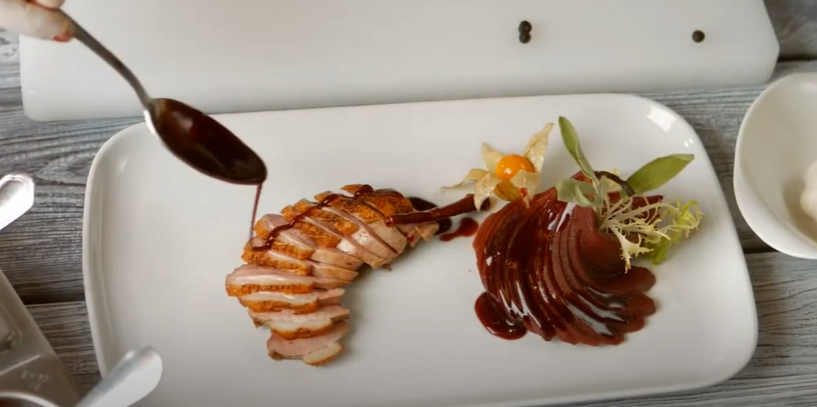
The texture of both the food and the wine is another important consideration when making a pairing. For example, a wine with high tannins (like a Cabernet Sauvignon) can be too overpowering when paired with a dish that has a delicate texture, like a poached fish. Similarly, a lighter wine with low tannins (like a Pinot Noir) may be overwhelmed by a rich, heavy dish like a steak.
Cultural and regional traditions can also play a role in pairing food and wine. In Italy, for example, it is common to pair Chianti with tomato-based dishes like spaghetti and meatballs, while in France, a Bordeaux is often paired with rich, savory dishes like coq au vin. Similarly, in Spain, a Tempranillo is a natural pairing for tapas like cured meats and olives.
When considering food and wine pairings, it’s important to remember that there are no hard and fast rules. The ultimate goal is to create a harmonious balance between the flavors of the food and the wine. However, there are some general guidelines that can be helpful:
When in doubt, choose a wine with higher acidity. This will generally pair well with a wide variety of foods.
Consider the weight of both the food and the wine. Lighter wines pair well with lighter dishes, while heavier wines pair well with heartier fare.
Look to regional and cultural traditions for inspiration. The local wine and food of a particular region often complement each other well.
Experiment! Don’t be afraid to try unconventional pairings or to mix things up. You never know what delicious combinations you might discover.
Ultimately, the art of pairing food and wine is a matter of personal taste. What works for one person may not work for another, and there is no one “right” way to do it. However, by considering the flavor, acidity, texture, and cultural context of both the food and the wine, you can create pairings that will enhance your dining experience and help you discover new flavors and textures. Whether you’re a seasoned wine connoisseur or a casual diner, the joy of pairing food and wine is in the exploration and discovery of new tastes and sensations.