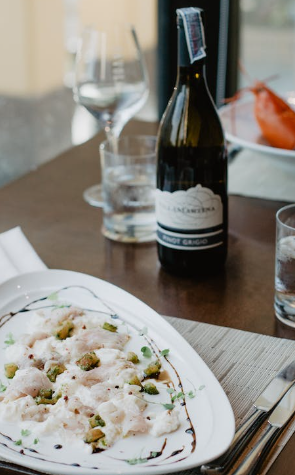
Wine and food pairing is an art that requires professional skill to get it right. The art of pairing wine and food is not just about selecting the right bottle of wine for the meal; it is also about understanding how flavors and textures work together. A well-paired wine and food combination can enhance the taste of both the food and wine, while a poorly matched combination can detract from the experience. In this article, we will explore why appropriate wine and food combinations require professional skill.
Firstly, the flavor profile of a wine can be complex, and it takes a trained palate to recognize the different flavor notes. Wine professionals have a deep understanding of the different grape varieties, how they are grown, and how they are processed. They are trained to identify the subtle flavors and aromas that are present in each bottle of wine. This knowledge allows them to match the right wine with the right food, bringing out the best in both.
For example, a wine with a high acidity level can pair well with foods that are high in fat, as the acidity helps to cut through the richness of the food. Similarly, a wine with a high tannin level can pair well with foods that are high in protein, as the tannins help to break down the proteins and enhance the flavors of the food. Wine professionals have the knowledge and experience to identify these characteristics in a wine and pair it with the right food.
Secondly, wine and food pairing is not just about the flavors; it is also about the textures. The texture of a wine refers to the way it feels in the mouth, such as its level of tannins, acidity, and sweetness. Similarly, the texture of food refers to how it feels in the mouth, such as its level of fat, protein, and fiber. Pairing the right texture of wine with the right texture of food can enhance the overall dining experience.
For example, a light-bodied white wine with a crisp acidity can pair well with seafood, as the light texture of the wine complements the delicate texture of the seafood. Similarly, a full-bodied red wine with a rich texture can pair well with a hearty steak, as the full-bodied wine complements the rich texture of the meat. Wine professionals have the knowledge and experience to identify the right texture of wine to pair with the right texture of food.
Thirdly, the region where the wine is produced can also play a role in wine and food pairing. Wines from different regions have different flavor profiles, and pairing them with local foods can create a harmonious and memorable dining experience. Wine professionals have a deep understanding of the different wine regions around the world and can match the right wine with the right food based on the region of origin.
For example, a Bordeaux wine from France can pair well with a classic French dish, such as Coq au Vin or Beef Bourguignon. Similarly, a Chianti wine from Italy can pair well with a classic Italian dish, such as Spaghetti Bolognese or Osso Buco. Wine professionals have the knowledge and experience to identify the right wine to pair with the right food based on the region of origin.
Lastly, the occasion or setting can also play a role in wine and food pairing. A formal dinner party may require a more refined and complex wine and food pairing, while a casual gathering may require a more relaxed and easy-going pairing. Wine professionals have the knowledge and experience to identify the right wine and food pairing based on the occasion or setting.
In appropriate wine and food combinations require professional skill. Wine professionals have the knowledge and experience to identify the right wine and food pairing based on the flavor profile, texture, region of origin, and occasion or setting. The art of pairing wine and food is not just about selecting the right bottle of wine for
Why Appropriate Wine and Food Combinations Require Professional Skill
Wine and food pairing is an art that requires professional skill to get it right. The art of pairing wine and food is not just about selecting the right bottle of wine for the meal; it is also about understanding how flavors and textures work together. A well-paired wine and food combination can enhance the taste of both the food and wine, while a poorly matched combination can detract from the experience. In this article, we will explore why appropriate wine and food combinations require professional skill.
Firstly, the flavor profile of a wine can be complex, and it takes a trained palate to recognize the different flavor notes. Wine professionals have a deep understanding of the different grape varieties, how they are grown, and how they are processed. They are trained to identify the subtle flavors and aromas that are present in each bottle of wine. This knowledge allows them to match the right wine with the right food, bringing out the best in both.
For example, a wine with a high acidity level can pair well with foods that are high in fat, as the acidity helps to cut through the richness of the food. Similarly, a wine with a high tannin level can pair well with foods that are high in protein, as the tannins help to break down the proteins and enhance the flavors of the food. Wine professionals have the knowledge and experience to identify these characteristics in a wine and pair it with the right food.
Secondly, wine and food pairing is not just about the flavors; it is also about the textures. The texture of a wine refers to the way it feels in the mouth, such as its level of tannins, acidity, and sweetness. Similarly, the texture of food refers to how it feels in the mouth, such as its level of fat, protein, and fiber. Pairing the right texture of wine with the right texture of food can enhance the overall dining experience.
For example, a light-bodied white wine with a crisp acidity can pair well with seafood, as the light texture of the wine complements the delicate texture of the seafood. Similarly, a full-bodied red wine with a rich texture can pair well with a hearty steak, as the full-bodied wine complements the rich texture of the meat. Wine professionals have the knowledge and experience to identify the right texture of wine to pair with the right texture of food.
Thirdly, the region where the wine is produced can also play a role in wine and food pairing. Wines from different regions have different flavor profiles, and pairing them with local foods can create a harmonious and memorable dining experience. Wine professionals have a deep understanding of the different wine regions around the world and can match the right wine with the right food based on the region of origin.
For example, a Bordeaux wine from France can pair well with a classic French dish, such as Coq au Vin or Beef Bourguignon. Similarly, a Chianti wine from Italy can pair well with a classic Italian dish, such as Spaghetti Bolognese or Osso Buco. Wine professionals have the knowledge and experience to identify the right wine to pair with the right food based on the region of origin.
Lastly, the occasion or setting can also play a role in wine and food pairing. A formal dinner party may require a more refined and complex wine and food pairing, while a casual gathering may require a more relaxed and easy-going pairing. Wine professionals have the knowledge and experience to identify the right wine and food pairing based on the occasion or setting.
In appropriate wine and food combinations require professional skill. Wine professionals have the knowledge and experience to identify the right wine and food pairing based on the flavor profile, texture, region of origin, and occasion or setting. The art of pairing wine and food is not just about selecting the right bottle of wine.