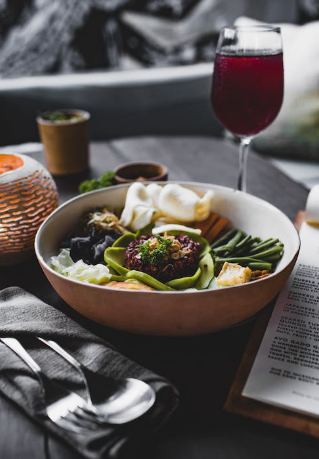
Wine and food have been enjoyed together for centuries, and for good reason. The combination of the two can create a unique taste experience that is greater than the sum of its parts. In this article, we will explore the ways in which wine and food interact to enhance the taste experience, and how you can make the most of this perfect pairing.
Firstly, let’s look at the basic principles of wine and food pairing. Generally speaking, the goal of pairing wine with food is to create a harmonious balance between the flavors, textures, and aromas of both. The idea is that the wine should complement the food and vice versa, rather than one overpowering the other.
One of the main ways that wine and food interact to enhance the taste experience is through the concept of “flavor matching”. This refers to pairing foods and wines that share similar flavor profiles. For example, a rich and hearty beef stew pairs well with a full-bodied red wine like Cabernet Sauvignon. This is because the tannins in the wine help to cut through the richness of the stew, while the flavors of the wine and the dish complement each other.
Another way that wine and food interact is through “flavor contrasting”. This involves pairing foods and wines that have contrasting flavor profiles. For example, a crisp and acidic Sauvignon Blanc pairs well with a creamy and buttery seafood dish like scallops. The acidity in the wine helps to balance out the richness of the dish, while the flavors of the wine and the dish provide a pleasant contrast.
Texture is another important factor to consider when pairing wine and food. For example, a light and refreshing white wine like Pinot Grigio pairs well with a light and delicate fish dish like sole. The lightness of the wine and the dish complement each other, creating a harmonious balance.
Aromas also play a significant role in wine and food pairing. The aromas of a wine can enhance the flavors of a dish, and vice versa. For example, a spicy and aromatic Indian curry pairs well with a fruity and spicy red wine like Shiraz. The aromas of the wine complement the spices in the dish, creating a delicious and aromatic taste experience.
There are also regional and cultural factors to consider when pairing wine and food. For example, Italian cuisine is known for its bold and hearty flavors, which pair well with full-bodied red wines like Chianti or Barolo. Similarly, French cuisine is known for its rich and decadent dishes, which pair well with rich and complex wines like Bordeaux or Burgundy.
In addition to the principles of wine and food pairing, there are also some general tips that can help enhance the taste experience. For example, serving wine at the correct temperature can make a big difference. Red wines should be served at room temperature or slightly below, while white wines should be served chilled. Serving wine in the correct type of glass can also enhance the taste experience, as the shape of the glass can affect the way the wine smells and tastes.
The interaction between wine and food is a complex and multi-faceted process. By understanding the basic principles of wine and food pairing and experimenting with different combinations, you can create a unique and enjoyable taste experience that is sure to impress. Whether you are enjoying a simple weeknight dinner or hosting a special occasion, the perfect pairing of wine and food can take your meal to the next level.