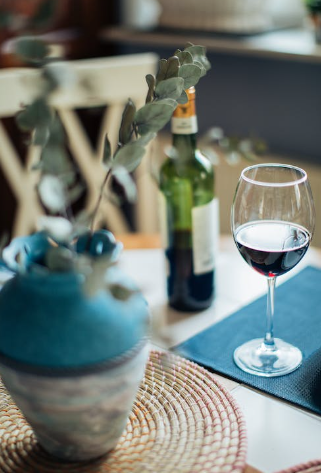
Introduction: Formal events, such as weddings and business dinners, require careful attention to detail, including the selection of wines. Choosing the right wines can elevate the dining experience, create harmony with the menu, and leave a lasting impression on guests. In this article, we will explore general guidelines and principles to follow when pairing wine with formal events, ensuring a memorable and refined occasion.
- Consider the Menu: When planning wine pairings for a formal event, it is crucial to consider the menu. The flavors and intensity of the dishes should guide your wine selection. For instance, light-bodied white wines, such as Sauvignon Blanc or Chablis, pair well with delicate seafood or poultry dishes. Medium-bodied red wines, like Pinot Noir or Merlot, complement roasted meats and rich sauces. Consider the various courses and flavors that will be served and select wines that harmonize with the overall meal.
- Balance the Intensity: Achieving balance between the wine and the food is key. Avoid overpowering the dishes with overly robust wines or vice versa. It is important to match the intensity of the wine with the intensity of the dish. For example, a light-bodied white wine may be overshadowed by a heavily spiced or heavily flavored main course. Conversely, a heavy, tannic red wine may overwhelm a delicate fish dish. Strive for a harmonious balance, where the wine enhances and complements the flavors of the food.
- Opt for Classic Varietals: In formal events, it is often best to stick to classic wine varietals that have broad appeal and are well-known for their quality. Varietals like Chardonnay, Cabernet Sauvignon, and Pinot Noir are generally safe choices, as they have wide-ranging flavor profiles and pair well with a variety of dishes. These classic varietals have a proven track record and are likely to please a majority of guests, even those with discerning palates.
- Focus on Elegance and Refinement: Formal events call for wines that exude elegance and refinement. Look for wines that showcase finesse and complexity, with well-integrated flavors and a smooth finish. Consider wines from renowned wine regions that are known for producing exceptional quality, such as Bordeaux, Burgundy, or Napa Valley. These wines often have a sense of prestige and can contribute to the overall sophistication of the event.
- Seek Professional Advice: For formal events, it can be helpful to seek advice from a sommelier or wine expert. These professionals have a deep understanding of wine and can provide valuable recommendations based on the menu, the occasion, and your budget. They can guide you in selecting wines that pair harmoniously with the dishes, provide a memorable experience, and cater to the preferences of your guests. Their expertise can elevate the wine selection and enhance the overall event.
- Offer a Range of Options: To accommodate varying tastes and preferences, it is advisable to offer a range of wine options at formal events. Include both red and white wines, and consider providing a sparkling wine for toasts or receptions. Offering a selection ensures that guests have choices that suit their personal preferences. Additionally, consider providing non-alcoholic options such as sparkling water or mocktails for those who do not consume alcohol.
Pairing wine with formal events requires careful consideration and attention to detail. By considering the menu, balancing the intensity, opting for classic varietals, focusing on elegance and refinement, seeking professional advice, and offering a range of options, hosts can create an exceptional dining experience. Thoughtful wine pairings contribute to the overall ambiance and leave a lasting impression on guests, making formal events truly memorable occasions.
Content generated by ChatGPT