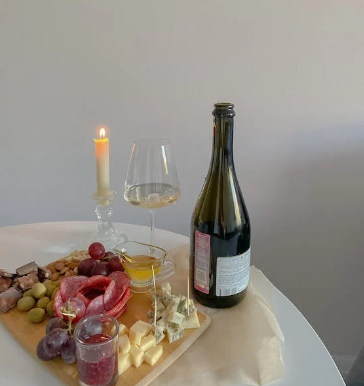
Article 1: Matching Wine and Food Based on the Body
One of the best ways to pair food with wine is to consider the body of both. The body of the wine refers to its weight, texture, and richness, while the body of the food refers to its overall heaviness. Matching a full-bodied wine like a Cabernet Sauvignon with a hearty dish like steak or beef stew creates a harmonious pairing, while pairing a light-bodied wine like a Pinot Noir with a delicate dish like salmon can enhance the flavors of both.
Article 2: Pairing Wine with the Sauce
Another effective way to pair food with wine is to consider the sauce used in the dish. The sauce can greatly impact the overall flavor and texture of the dish, and it’s essential to select a wine that complements it. For example, pairing a buttery Chardonnay with a creamy alfredo sauce can enhance the richness of the dish, while pairing a spicy Shiraz with a spicy tomato sauce can create a balanced pairing.
Article 3: Pairing Wine with the Protein
Matching the wine with the protein in the dish is also an effective way to pair food with wine. The protein can greatly impact the overall flavor and texture of the dish, and it’s important to select a wine that complements it. For example, pairing a crisp Sauvignon Blanc with seafood or poultry can enhance the flavors, while pairing a bold Malbec with a hearty beef dish can create a complementary pairing.
Article 4: Matching Wine with the Region
Considering the regional origin of both the food and wine can also lead to a successful pairing. Certain wines are known to pair well with specific regional dishes, and it’s important to take this into account when selecting a pairing. For example, pairing a Chianti with Italian cuisine or a Rioja with Spanish cuisine can create a harmonious pairing that enhances the overall dining experience.
Article 5: Pairing Wine with the Occasion
Lastly, pairing wine with the occasion can also lead to a successful pairing. Consider the occasion, the time of day, and the guests when selecting a pairing. For example, pairing a light-bodied rosé with a brunch menu can create a refreshing and enjoyable pairing, while pairing a bold red wine with a formal dinner party can create a sophisticated and elegant pairing. It’s important to consider the overall mood and tone of the occasion when selecting a pairing.