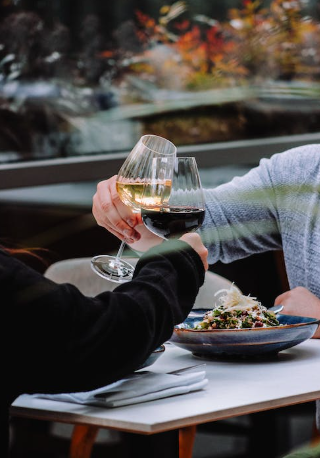
Article 1: Enhancing the Dining Experience through Food Pairing
The primary purpose of food pairing is to elevate the dining experience. Pairing complementary flavors, textures, and aromas can enhance the overall taste of a dish and create a harmonious pairing with the wine. The goal is to create a sensory experience that engages all five senses and creates a memorable dining experience.
Article 2: Creating Balance in Food Pairing
Another purpose of food pairing is to create balance in the dish. Balancing flavors, such as sweet and sour, salty and spicy, or creamy and crunchy, can make the dish more enjoyable to eat. Additionally, balancing the flavors in the dish with the flavors in the wine can create a cohesive dining experience that leaves a lasting impression.
Article 3: Highlighting the Best Qualities in Food and Wine Pairing
Food pairing is also about highlighting the best qualities of both the food and the wine. Pairing a wine that complements the flavors in the dish can bring out the best in both. For instance, pairing a bold red wine with a hearty beef stew can bring out the richness and depth of the flavors in both the dish and the wine.
Article 4: Providing a Contrast in Food Pairing
Pairing food and wine that contrasts each other can also be a purpose of food pairing. Contrasting flavors can create an exciting dining experience that stimulates the palate. For example, pairing a spicy Thai curry with a sweet Riesling can create a contrasting pairing that is both exciting and enjoyable.
Article 5: Discovering New Pairings in Food Pairing
Lastly, food pairing can be a way to discover new pairings and broaden your culinary horizons. Experimenting with different food and wine pairings can lead to discovering new flavor combinations that you may have never considered before. It’s an opportunity to expand your palate and create new dining experiences.